Page 1 of 1

The Lady of Eura

Posted: Mon Jun 29, 2026 3:16 pm
by Hardelli

InSpiReD by Avatar's comment, I decided to do a little write up about Euran emäntä.

Luistari

Luistari is one of the largest, most important and well studied archeological finds in Finland. It consists of a dwelling area dating from bronze age to early iron age and a late iron age burial area. Its located in the town of Eura. Luistari is not the only site on the area, there are 20 similar, but smaller sites nearby. The burial sites are located on the northern shores of Lake Pyhä and on the banks of river Eura. There was a medieval village called Kauttua right next to the Luistari burial area, up until the 1700s, but after the Great Partition, the village started to disappear. Archeological digs have found evidence of 18 houses, on a map from 1770s there was only 2 houses, these days there is only one left, its a day care center these days.

Lady of Eura

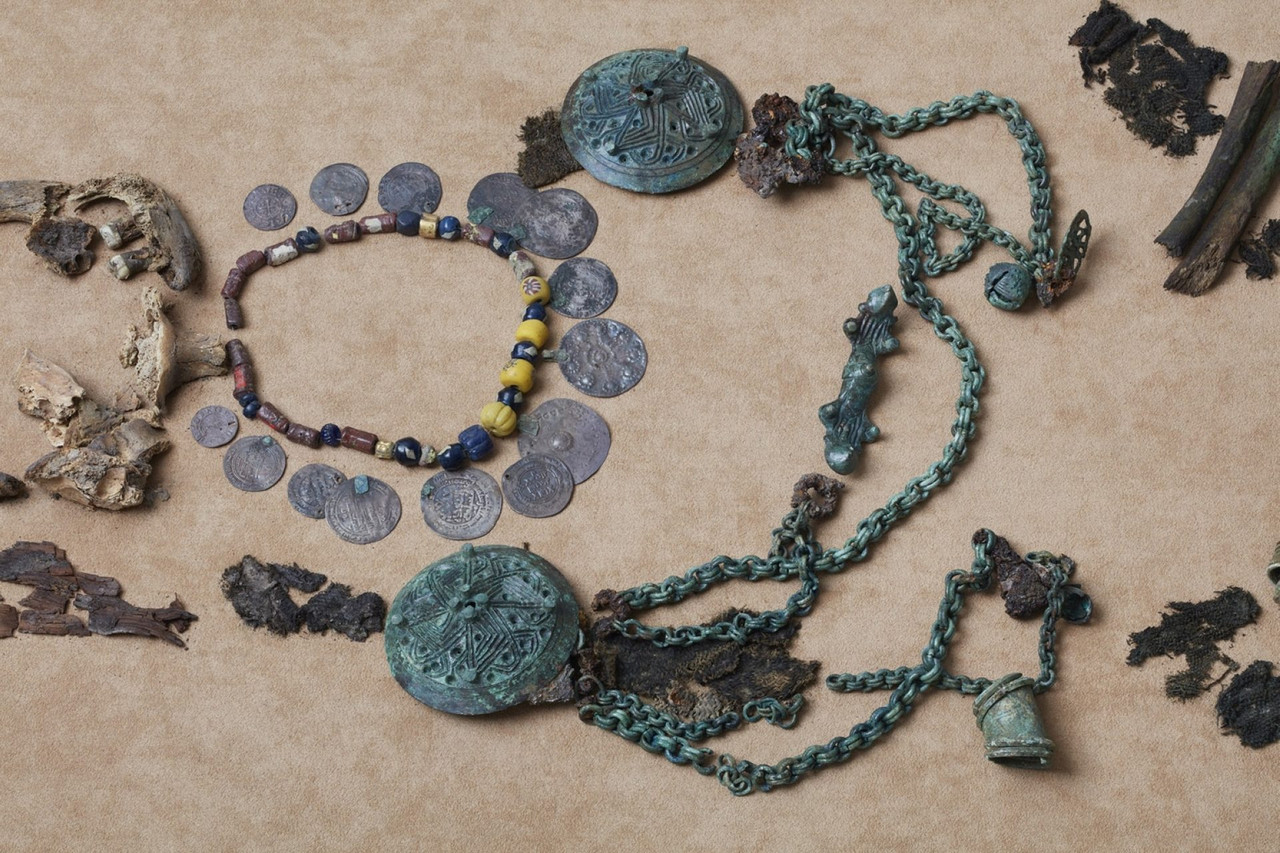
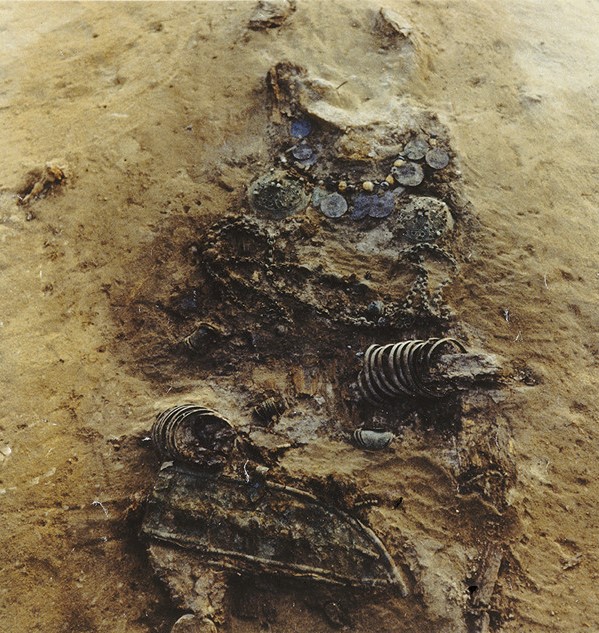
Anyway, the topic of this post is not disappeared villages, but the Lady of Eura. Her grave was discovered in Luistari, during the summer of 1969, when locals were digging up a ditch for a sewer pipe. She lived during the Viking period, in the early 1000s, one of the clues to this was a coin found buried with her, which was stamped during the reign of King Cnut. Radio carbon dating also confirms the time period. She was approximately 45 years of age and 170cm tall, which made her quite tall for the age. Also a giant, compared to opd. Her teeth had signs of childhood malnutrition, she had lost a couple of her teeth, her hips had signs of wear and tear. None of which is out of the ordinary for the time being, but her teeth didn't have signs of dental calculus which is a sign that her teeth were being cleaned and taken care of in general.

The clothing

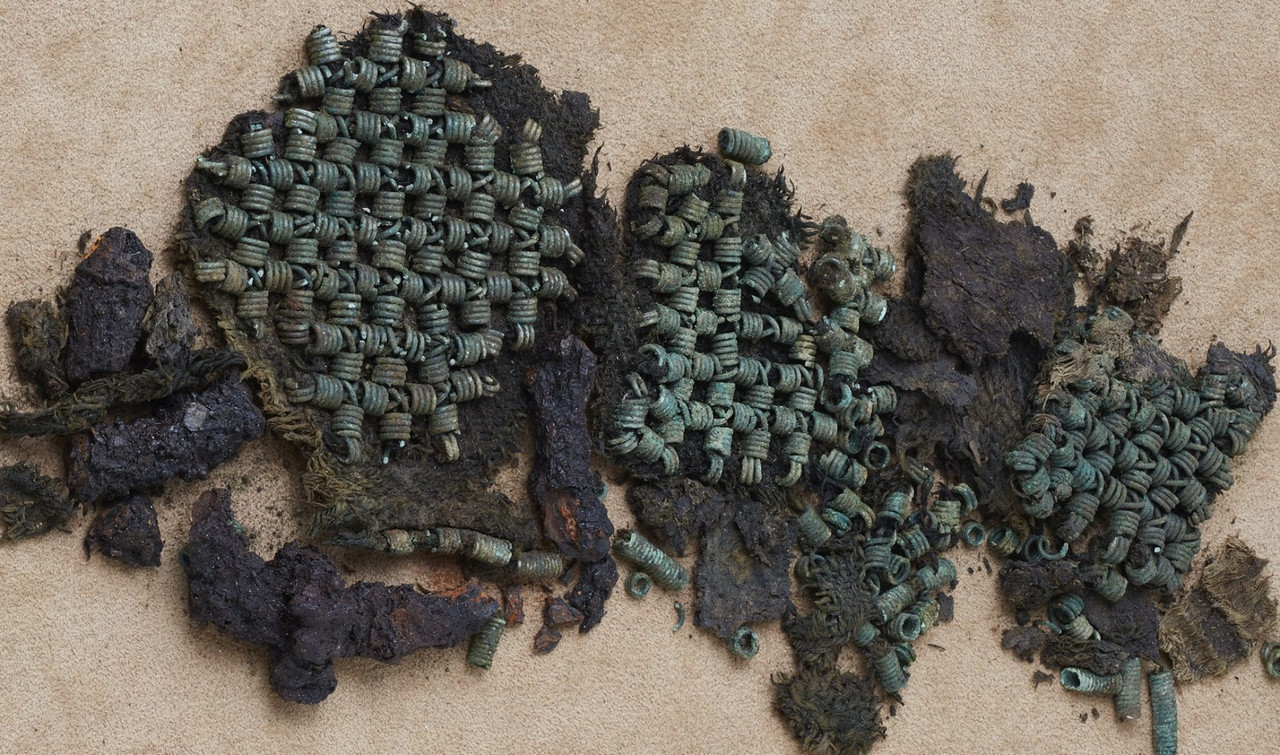
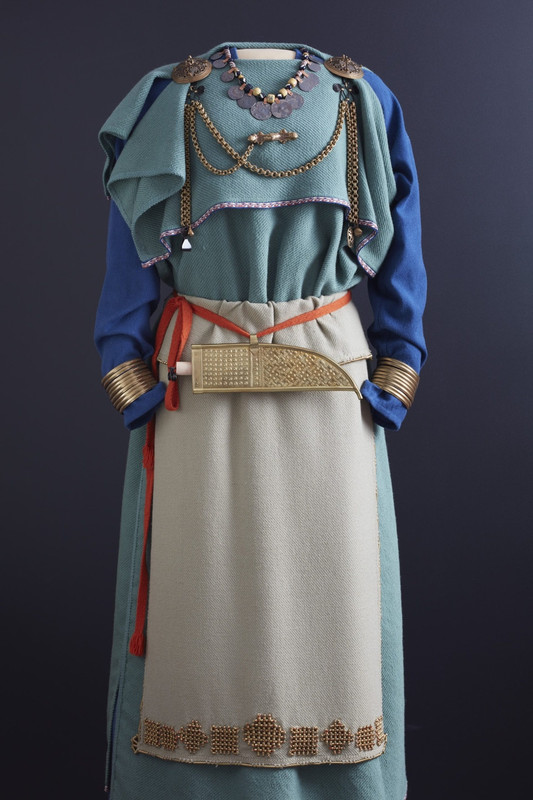
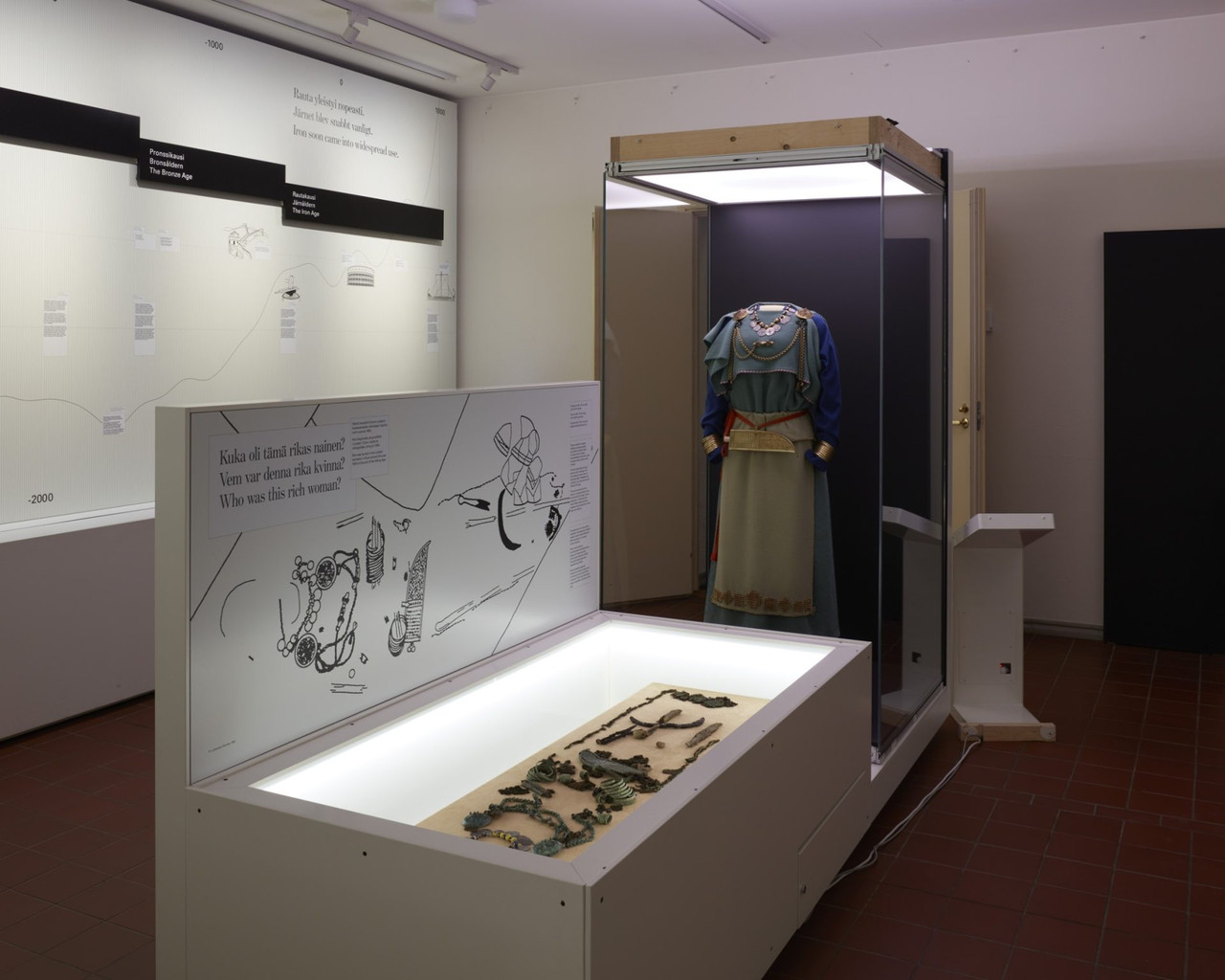
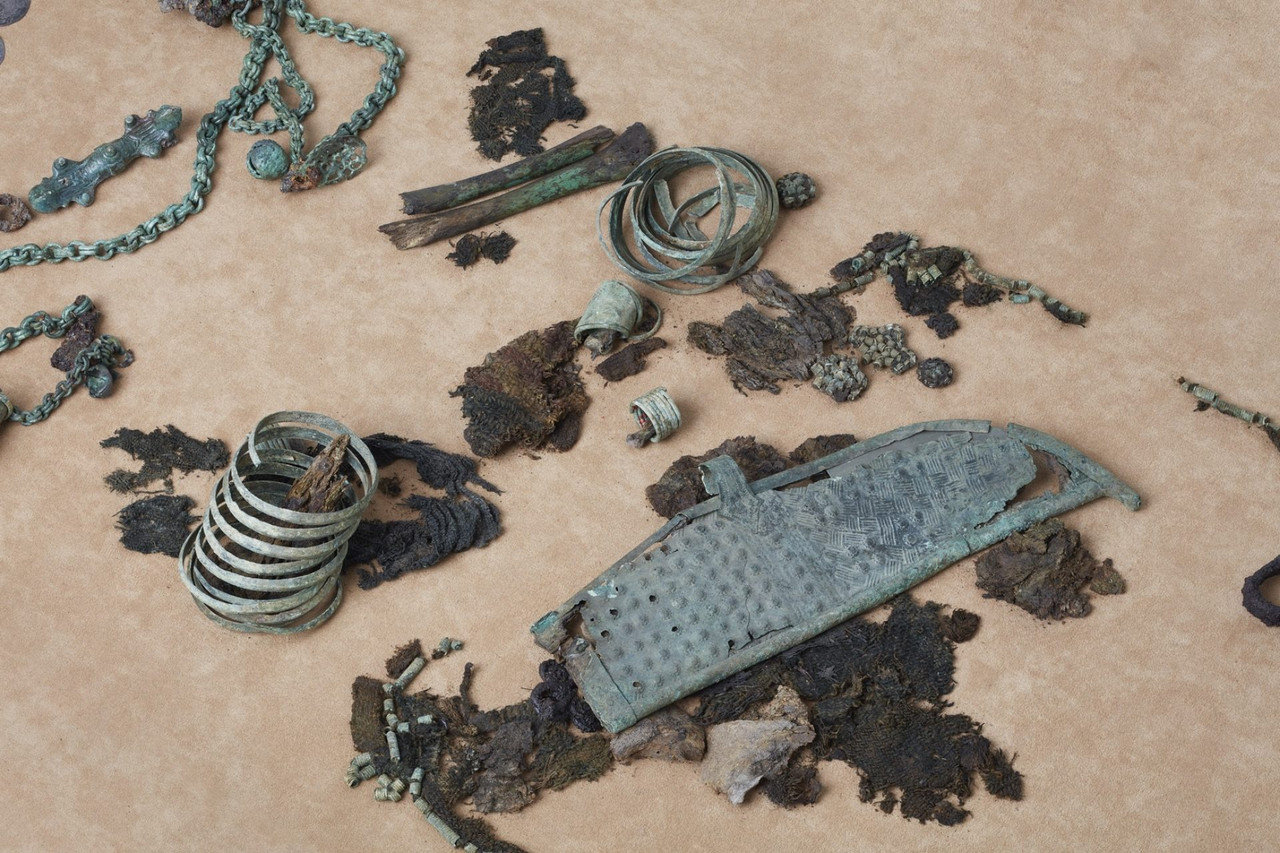
This whole thing started off with the post about clothing and the general lack of archeological fabric finds. And that's what makes our Lady from Eura special. Although most of the fabrics she was buried with have long since disappeared, the fact that she was buried with bronze protected some of the fabrics. When bronze oxidizes, it releases gases that protect the fabrics. As a result, the scientists have been able to reconstruct her full dress. Other fabric discoveries of the region have been similar, the only difference being that Lady of Eura was buried with more jewelry and coins than the "average" person. This would suggest that the fabrics she was buried in, was not some elite dress, but something everyone in the region wore.

Image

Image

As a slightly unrelated sidenote, before the medieval times, burying was not that common, for the most part, the dead were burned. Only the kings, noble people and other imporatnt personages were buried. That alone adds to the difficulty of finding fabrics from the early times.

Pictures of the grave findings from the National Museum of Finland:
Image

Image

Image

Image

How she was found:

Image

The tree, under which her grave was found:

Image

There is not much about this in English, so if you guys have any questions, I'd be more than happy to dig into the Finnish sources and see if I can find a answer.


Re: The Lady of Eura

Posted: Mon Jun 29, 2026 3:29 pm
by Imperium

It's amazing that we've been able to reconstruct so much from these archaeological finds.


Re: The Lady of Eura

Posted: Mon Jun 29, 2026 3:36 pm
by Hardelli
Imperium wrote: Mon Jun 29, 2026 3:29 pm

It's amazing that we've been able to reconstruct so much from these archaeological finds.

Indeed! Though I'd like to point out that while this find did contribute most of the data, there was also cross referencing done to other finds from the area


Re: The Lady of Eura

Posted: Mon Jun 29, 2026 5:48 pm
by null
Hardelli wrote: Mon Jun 29, 2026 3:16 pm

InSpiReD by Avatar's comment, I decided to do a little write up about Euran emäntä.

Luistari

Luistari is one of the largest, most important and well studied archeological finds in Finland. It consists of a dwelling area dating from bronze age to early iron age and a late iron age burial area. Its located in the town of Eura. Luistari is not the only site on the area, there are 20 similar, but smaller sites nearby. The burial sites are located on the northern shores of Lake Pyhä and on the banks of river Eura. There was a medieval village called Kauttua right next to the Luistari burial area, up until the 1700s, but after the Great Partition, the village started to disappear. Archeological digs have found evidence of 18 houses, on a map from 1770s there was only 2 houses, these days there is only one left, its a day care center these days.

Lady of Eura

Anyway, the topic of this post is not disappeared villages, but the Lady of Eura. Her grave was discovered in Luistari, during the summer of 1969, when locals were digging up a ditch for a sewer pipe. She lived during the Viking period, in the early 1000s, one of the clues to this was a coin found buried with her, which was stamped during the reign of King Cnut. Radio carbon dating also confirms the time period. She was approximately 45 years of age and 170cm tall, which made her quite tall for the age. Also a giant, compared to opd. Her teeth had signs of childhood malnutrition, she had lost a couple of her teeth, her hips had signs of wear and tear. None of which is out of the ordinary for the time being, but her teeth didn't have signs of dental calculus which is a sign that her teeth were being cleaned and taken care of in general.

The clothing

This whole thing started off with the post about clothing and the general lack of archeological fabric finds. And that's what makes our Lady from Eura special. Although most of the fabrics she was buried with have long since disappeared, the fact that she was buried with bronze protected some of the fabrics. When bronze oxidizes, it releases gases that protect the fabrics. As a result, the scientists have been able to reconstruct her full dress. Other fabric discoveries of the region have been similar, the only difference being that Lady of Eura was buried with more jewelry and coins than the "average" person. This would suggest that the fabrics she was buried in, was not some elite dress, but something everyone in the region wore.

Image

Image

As a slightly unrelated sidenote, before the medieval times, burying was not that common, for the most part, the dead were burned. Only the kings, noble people and other imporatnt personages were buried. That alone adds to the difficulty of finding fabrics from the early times.

Pictures of the grave findings from the National Museum of Finland:
Image

Image

Image

Image

How she was found:

Image

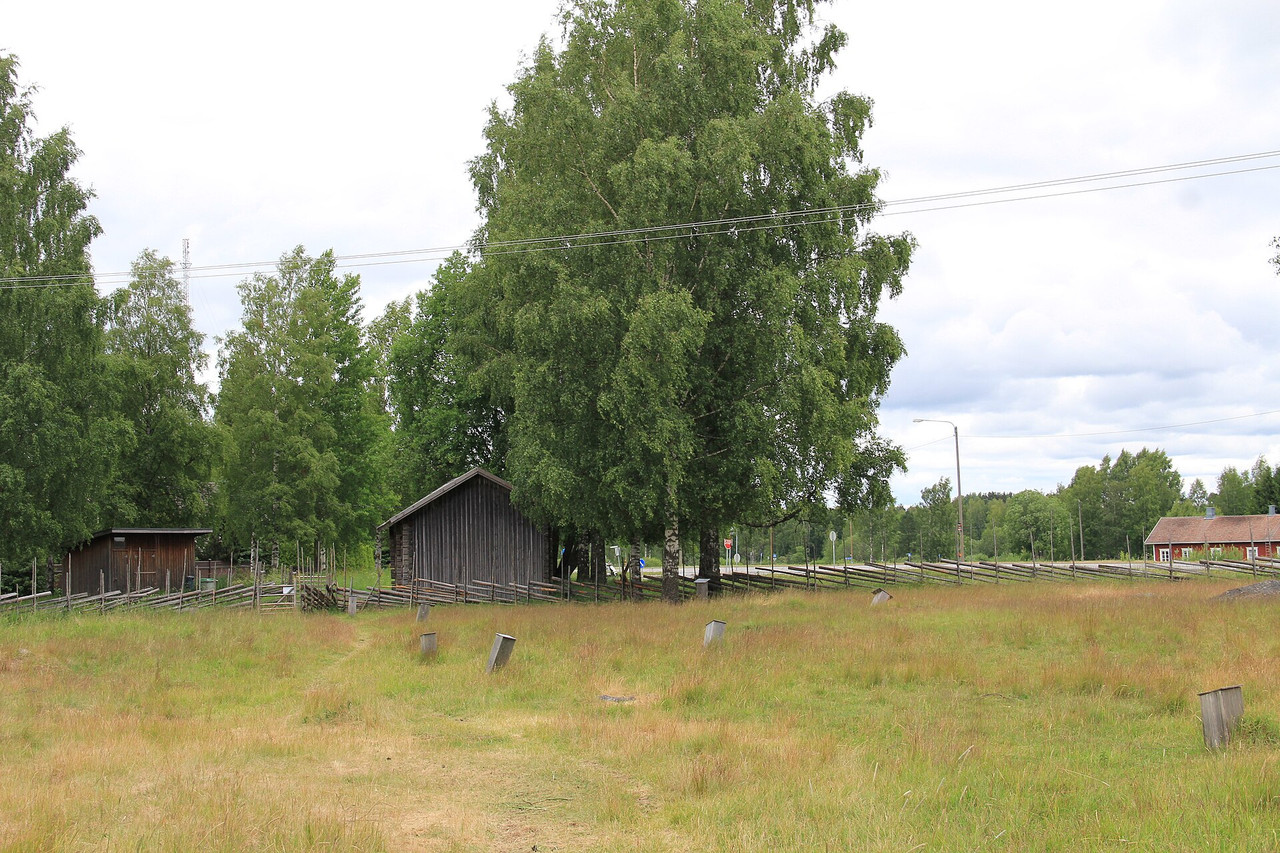
The tree, under which her grave was found:
Image

There is not much about this in English, so if you guys have any questions, I'd be more than happy to dig into the Finnish sources and see if I can find a answer.

Image